


Faculty Research Spotlight: Dr. Beth Cutrer in American Samoa

Sarah Wilde
McKay Student Ambassador
Special Education (Severe/Profound Disabilities Emphasis)
Welcome to our new series on Faculty Research! We will each be spotlighting different professors from the McKay School in different posts. This time we will be interviewing Dr. Beth Cutrer from the CPSE department!

1) What is your research interest?
"My research focuses on mental health wellness and social emotional learning for Pacific Islander individuals, children, and families, with particular attention to culturally grounded and community-responsive supports. Much of my work centers on (a) culturally adapted behavior supports for Samoan teachers and children with disabilities, and (b) bibliotherapy, including culturally adapted stories that support Pacific Islander children in navigating grief, loss, identity, and emotional wellness. I am especially interested in how culturally relevant stories and interventions can build resilience and belonging for marginalized and underrepresented groups."
2) Could you tell us about your experiences doing this research?
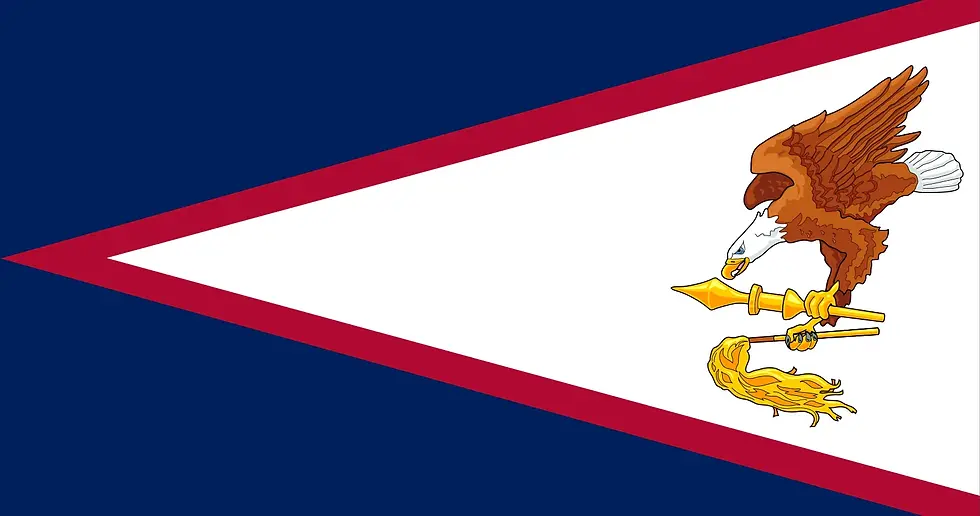
"I have had truly incredible experiences doing this work—experiences I consider sacred and deeply meaningful. One of the highlights has been the opportunity to meet with the Governor of American Samoa to share findings from our studies and discuss how research can support the people in the islands. I have also been humbled to witness Samoan children speak openly about their emotional experiences, including grief and loss, in ways that are powerful and brave.
"One moment that has stayed with me came from a child who initially shared that he felt 'weak' for crying. After participating in a culturally adapted intervention and being interviewed again, he explained that he sometimes felt like crying when he saw another child suffering. As we gently talked through this, he realized he wasn’t weak—he was strong and kind, and his tears reflected compassion. Moments like this capture why this work matters: children deserve language, tools, and cultural affirmation to understand their emotions without shame."
3) What led you to this interest?
"This work grew from both personal experience and spiritual direction. I was first introduced to Pacific Islander communities in a meaningful way while serving in Pacific Islander wards in West Valley City during my mission. Those relationships shaped me and opened my heart to the strength, faith, and beauty of the people.
"When I traveled to American Samoa for the first time a few years ago, I had a strong confirmation that the people in the islands are not to be forgotten, and that they are greatly loved by the Lord. That experience deepened my commitment to focus my professional life on work that elevates voices that are often unseen, unheard, or misunderstood."
4) What problems have you faced while trying to conduct your research?
"Many of the issues I study involve stigmatized topics—mental health, disability, grief, and loss—within communities that have often experienced being overlooked or misrepresented. Because of this, the biggest challenge is also one of the most important responsibilities: earning trust and protecting it. This work cannot be rushed. Building relationships, establishing cultural humility, and demonstrating long-term commitment takes time. It requires consistent follow-through, respect, and deep care for participants and communities."

5) How does this topic align with the aims of BYU?
"My work aligns closely with BYU’s aims because it is rooted in using education and scholarship to serve others, strengthen families, and contribute to the well-being of communities in meaningful ways. At its core, this research is about helping children and families feel seen, supported, and valued—especially those who have been historically excluded or marginalized. I also see my work as part of BYU’s mission to develop students who are not only competent professionals, but also people who bring light, compassion, and integrity into the world."
6) How does your research impact your teaching?
"I intentionally bring my research into all of my courses—whether it is qualitative methods, academic interventions, literacy instruction, or even introductory courses. I want students to see how research can be both rigorous and deeply human. I also want students to understand that effective practice is not “one-size-fits-all”—it requires cultural responsiveness, relationship-building, and humility. Sharing real examples from Pacific Islander contexts helps students connect research to real people, real systems, and real impact."
7) How will your research affect education in the future?
"I hope this work contributes to a future where education is more culturally responsive, more inclusive, and more emotionally supportive for students and families. Specifically, my goal is to help schools and educators implement interventions that are both evidence-based and culturally grounded, especially for students with disabilities and for communities that are often underrepresented in research. I also hope this work expands how we think about social-emotional learning—showing that stories, identity, belonging, and cultural values are essential components of wellness. We are also focused on providing culturally supportive resources."
8) How can students get involved with your research?
"Students are welcome to get involved. The easiest way is to email me directly and let me know you’re interested. I work with students at multiple levels (undergraduate and graduate), and I’m always happy to connect students with opportunities that fit their interests—whether that includes research support, literature reviews, data collection, culturally adapted intervention work, conferences, publications, or community-focused projects."
9) Anything else you would like to mention?
"I would simply add that I feel very grateful for the people and communities who allow us to do this work. When we study mental health, disability, grief, and resilience—especially in communities where these topics can be deeply personal—we are stepping onto sacred ground. I see my role as both a researcher and an educator as one that requires deep respect, careful listening, and a commitment to represent participants with accuracy, dignity, and care. I am also deeply grateful for the resources BYU provides to continue this work."
Huge thank you to Dr. Beth Cutrer for talking to us about the research she does here at BYU! Keep a look out for more blog posts about the research other professors are doing around the McKay School!
HAVE ANY QUESTIONS ABOUT EDUCATION MAJORS?
Come meet with us! Schedule an appointment here. We would love to meet with you!


Comments